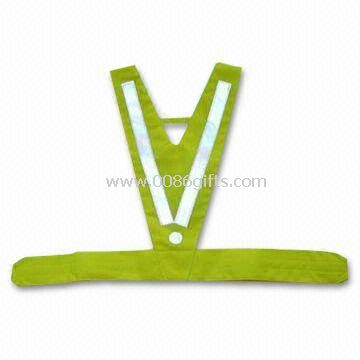
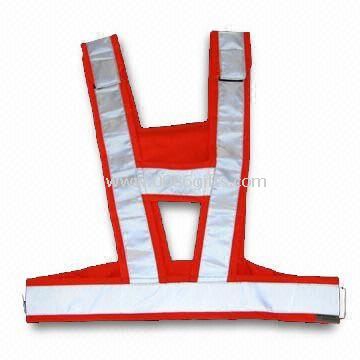
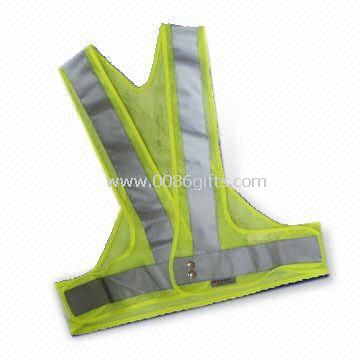
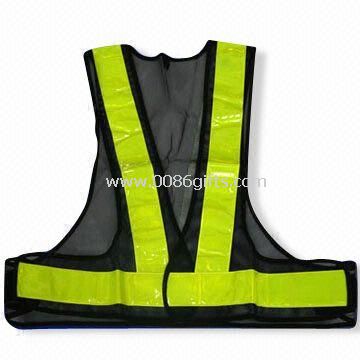
Reflective Jacket & Vest
Construction details decide whether a reflective garment merely looks safe or actually performs, and this category, the jacket and vest branch of the reflective safety line, exists for buyers who care about that difference. Uniform suppliers, safety distributors, and cycling-retail buyers all shortlist here.
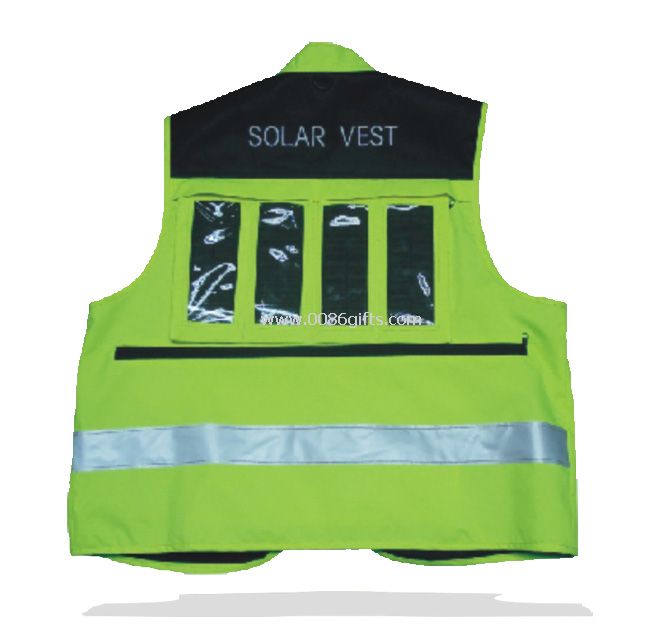
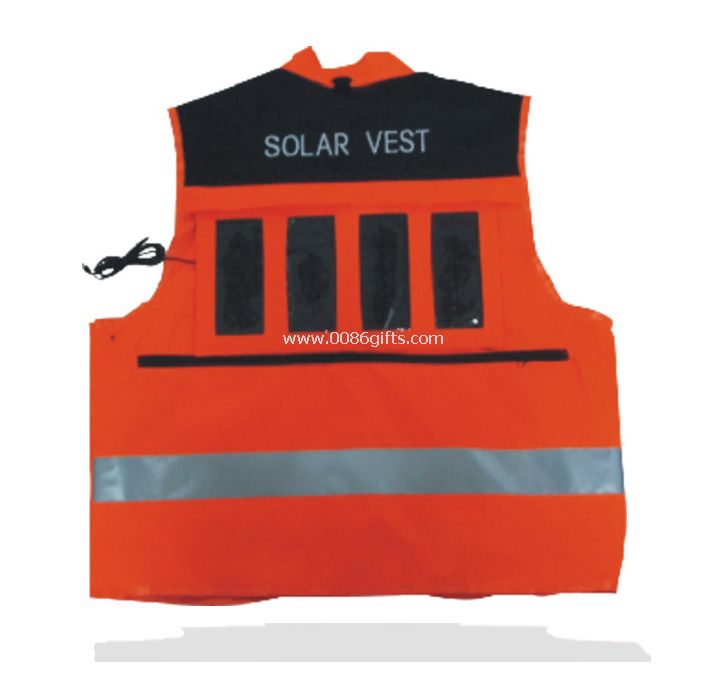
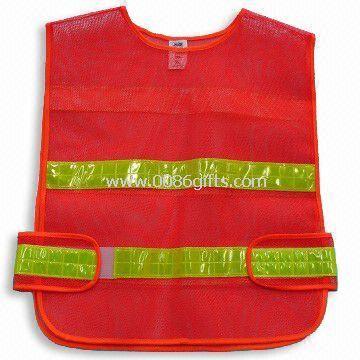
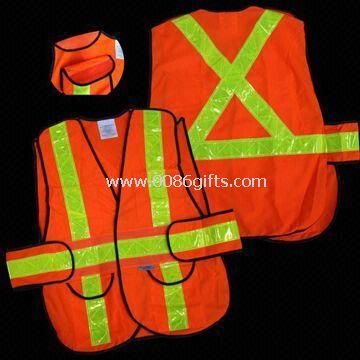
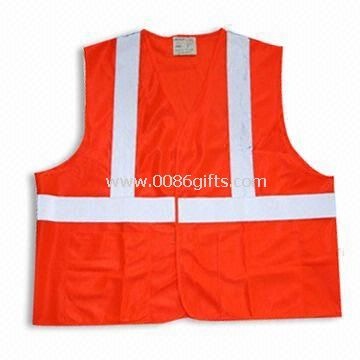
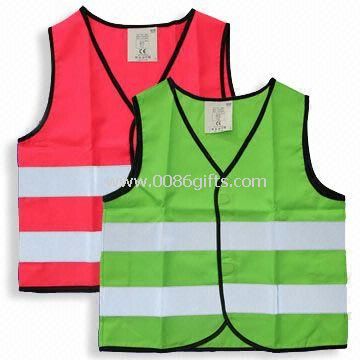
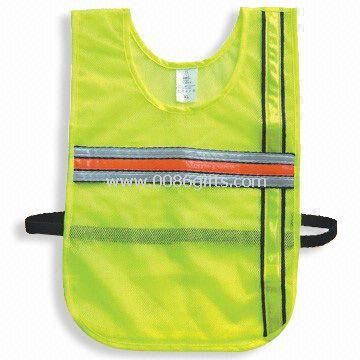
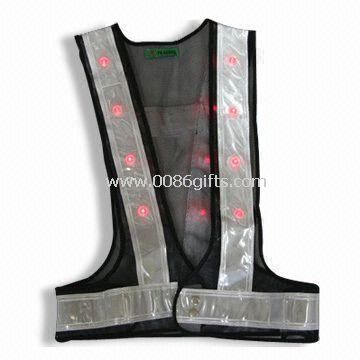
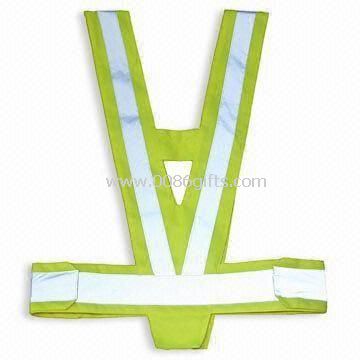
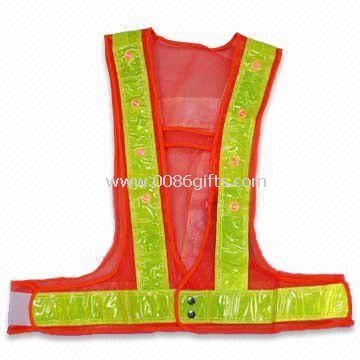
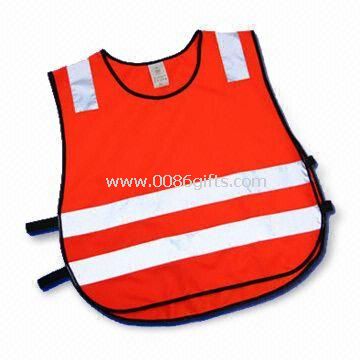
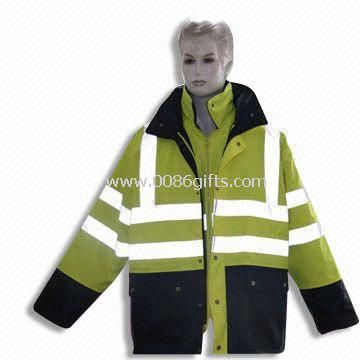
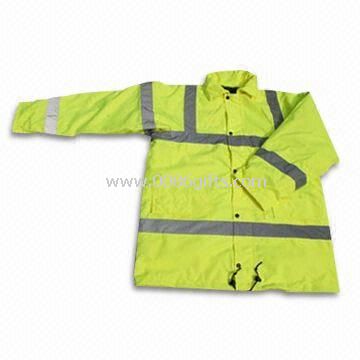
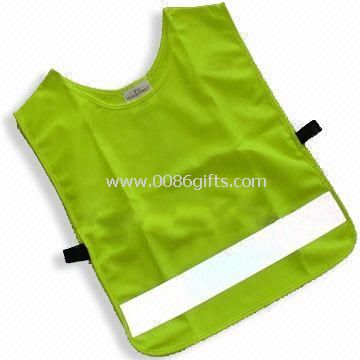
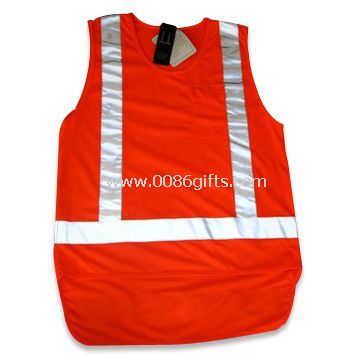
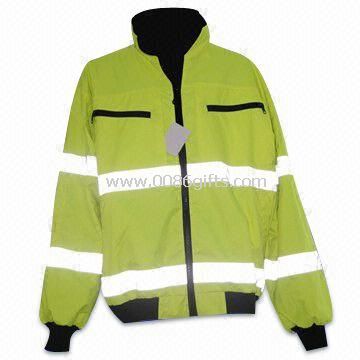
The range covers sleeveless vests for warm environments and full jackets for wind and rain, including water-resistant shells with taped seams and windproof fronts. Common design vocabulary includes front closures that open quickly over work clothing, side adjustments for layering, and Hoods, storm flaps, and dropped tails appear in jacket versions, extending protection through shifts that end in the rain.pockets positioned for gloves, phones, and scan badges.
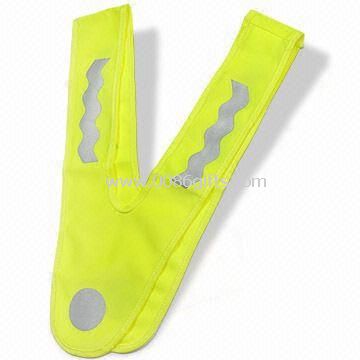
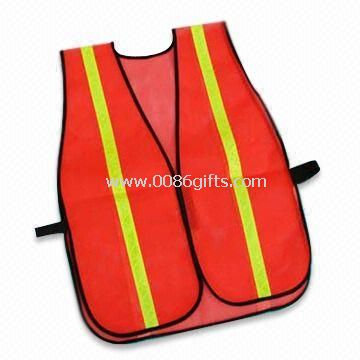
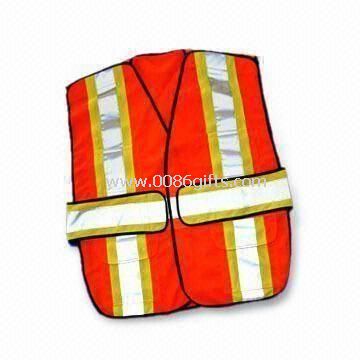
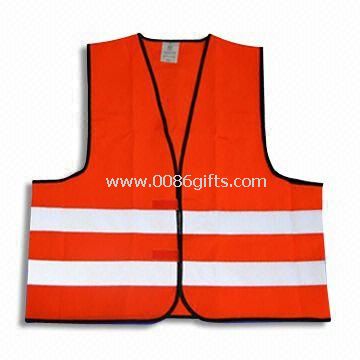
Materials combine fluorescent polyester bases, mesh for airflow and solid fabric for structure, with retroreflective tape laid in bands around the torso and shoulders. The best garments bond or stitch tape in continuous loops so the human silhouette reads instantly in Silvering on quality tape stays bright after flexing, while inferior coatings crack early, a difference buyers can spot by rubbing a sample band.vehicle headlights at a distance.
Users span construction and logistics crews, traffic marshals, cyclists, motorbike commuters, airport ground staff, and volunteer groups at night events. Vests dominate where identification matters as much as visibility, since printed roles such as supervisor or marshal turn the garment into part of the workplace system.
Buyer customization includes company branding, role printing, colorway selection within the fluorescent palette, and size grading for mixed crews. Sampling should verify tape adhesion after flexing, zipper smoothness, and seam strength, the three failure points that Pockets with reflective piping add night utility without adding bulk to the silhouette.matter most in daily industrial use.
For volume programs, buyers are encouraged to lock the artwork, tape specification, and packing plan, usually individually bagged garments nested in shipping cartons, before the first bulk run. With those controls set, re-orders match the approved sample and tape adhesion plus fabric strength hold up across the production run.
33 products · page 1 of 3