ID Bracelets
ID bracelets identify people at a glance in settings where quick, reliable recognition matters: hospitals, events, children's programs, and visitor management. Within the bracelets family of the promotional-gifts channel, the category serves medical suppliers, event organizers, and institutional buyers who need wearable identification that is simple to issue and comfortable to wear.
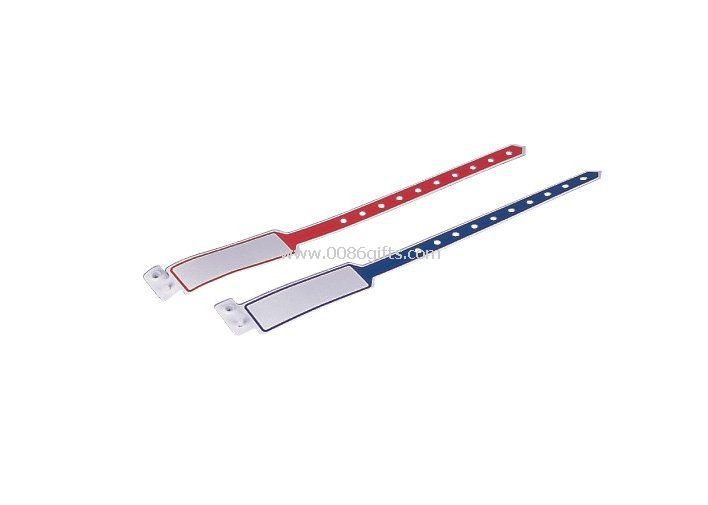
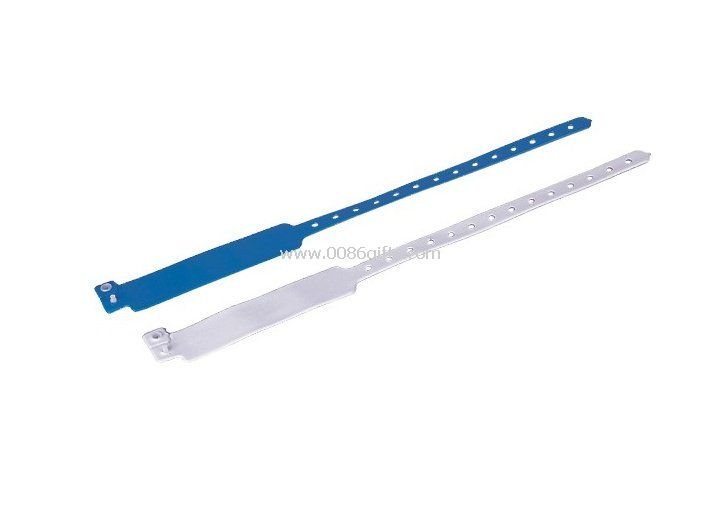
The dominant construction is a write-on or printed band in soft PVC or similar material, closed with a snap or seal so the band stays secure until deliberately removed. Bands lie flat against the wrist, so they stay comfortable through long shifts or multi-day events. Surfaces accept handwriting or printed personalization, and luminous material options keep the identification readable in dim conditions.
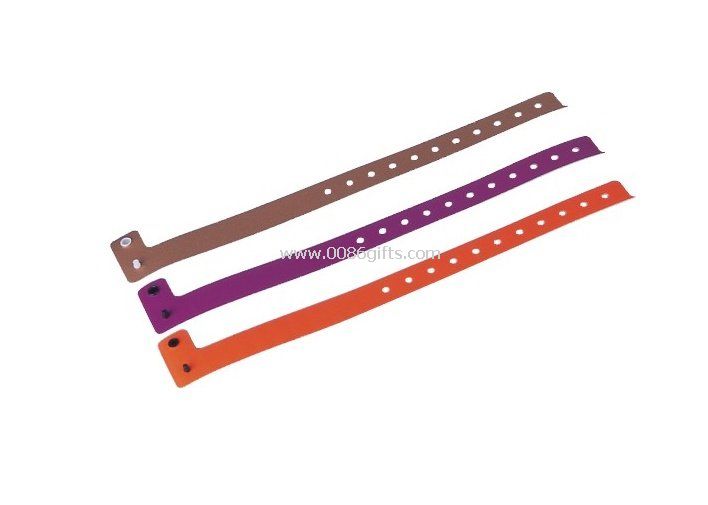
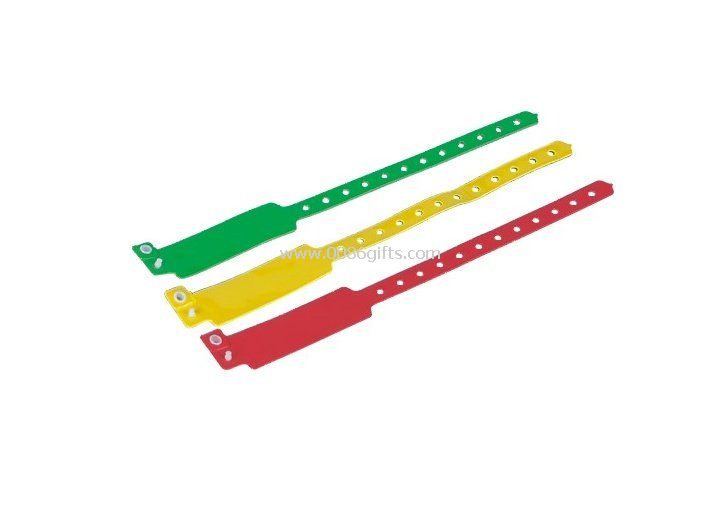
Assorted band styles cover adult and child wrist sizes, with adjustability, color coding, and tear-away or tamper-aware closures depending on the setting. Because the bands are worn against skin, soft edges and skin-friendly material choices are standard expectations rather than extras.
Customization includes printed logos, color coding by group or zone, and pre-printed fields that match an institution's intake workflow. Colors can be assigned meaning, from department codes to day passes, which turns a simple band into a lightweight access system. For events, bands double as access tokens; for medical use, they carry essential personal information legibly for the duration of a stay.
Typical buyers include hospitals and clinics, schools and camps, festivals and conferences, and relief or community programs that need to tag populations quickly. The low unit cost and flat shipping profile make the category easy to stock in quantity.
Sourcing is OEM-friendly: buyers supply artwork and field layouts, approve material and closure samples, then scale to bulk with polybag and carton packaging. Print legibility and closure strength are the batch checks that keep repeat orders dependable.
Issue workflow matters as much as the band itself for institutional buyers. Fields should align with how staff actually write or print information, bands should open fast for application yet stay closed in use, and spare stock should be simple to reorder. Suppliers who understand intake routines tend to become long-term sources for this category.
4 products