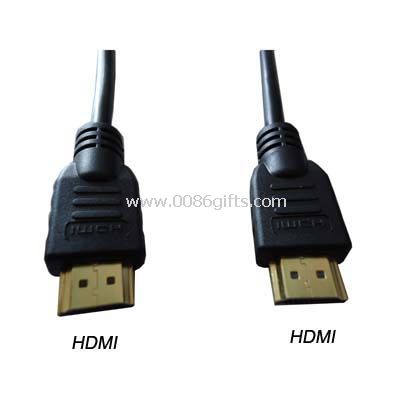
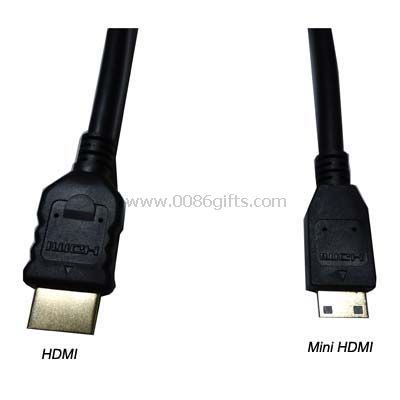
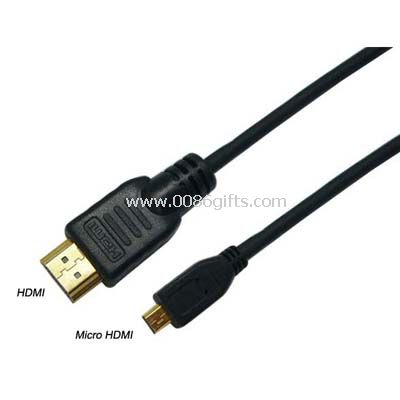
HDMI cable
HDMI cables carry both picture and sound through a single connection, which is why they have become the default link between screens and their sources. As a subcategory of the cables line under computer peripherals, this category serves electronics wholesalers, home-theater retailers, and IT distributors who need dependable AV interconnects for televisions, projectors, monitors, game consoles, and set-top devices.
Product construction centers on terminated cable assemblies with standard and compact connector variants, letting buyers match full-size ports on displays and adapters for smaller devices. Conductors use copper cores with controlled impedance, layered shielding suppresses interference, and connector shells are molded with strain relief or fitted with braided jackets for durability. Length assortments span short in-rack links to room-spanning runs.
In practice, the cables support high-definition video formats, multi-channel audio, and consumer-control signaling between devices, so a single cable replaces the tangle of older analog leads. Use cases cover living-room entertainment, classroom and meeting-room projection, retail display walls, and gaming setups, giving the category relevance across consumer and commercial channels alike, from home setups to office fit-outs.
The buyer profile includes AV installers, electronics chain suppliers, marketplace sellers, and corporate procurement for offices and hospitality fit-outs. Because display devices continue to ship without cables in the box, end-user demand for spares and upgrades remains constant, supporting steady replenishment cycles for distributors.
Customization options include logo printing on connector housings and retail cards, custom jacket colors and braiding, tailored length assortments per channel, and packaging from polybags to printed clamshells. Suppliers can also assemble multi-packs pairing standard and compact connectors, and ODM projects can specify connector plating and shell design for premium tiers.
Procurement teams generally test sample assemblies for plug retention, signal stability at full working length, and bend endurance near the connector. Bulk shipments use flat cartons that protect connector heads, and consistent crimping and molding quality across batches ensures later orders perform identically to approved samples.
3 products